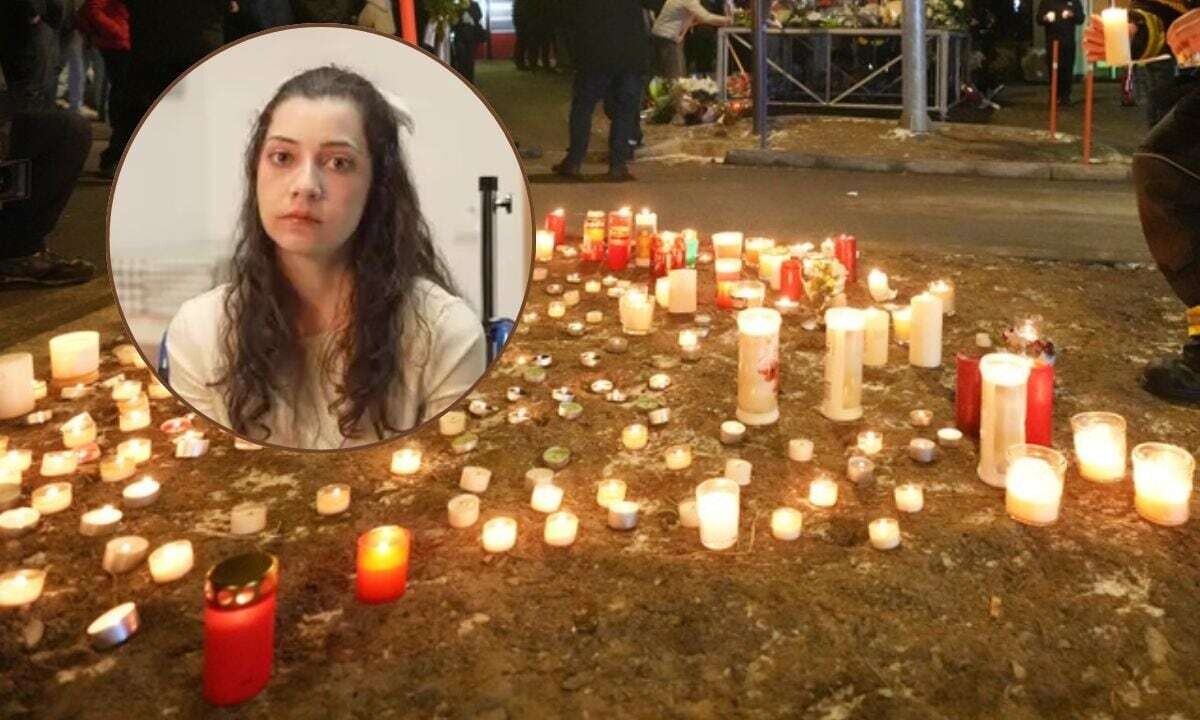
The story of Noelia Castillo Ramos, a 25-year-old in Barcelona, Spain, became one of the most impactful cases of euthanasia in Europe, not only for her decision to end her life after an irreversible paralysis, but also for the long and painful legal battle against her own father that took the case to European courts. After nearly two years of litigation, courts, and appeals, justice ultimately upheld her decision, but what seemed like a medical procedure ended up becoming a precedent that today shakes the debate over the right to die... and how far a family can intervene. Noelia's case was not immediate or simple. In 2024, she requested euthanasia after becoming paralyzed, fulfilling, according to medical bodies, the requirements of Spanish law: a serious illness, constant suffering, and a free decision. The request was approved by health authorities in Catalonia, but her father challenged it, arguing that his daughter was not in a condition to decide. What followed was an unusual judicial journey: Catalan courts validated the euthanasia, the Supreme Court upheld the decision, the Constitutional Court rejected the final family appeal, and finally, this week, the European Court of Human Rights (ECHR) refused to block the procedure. With that final ruling, any possibility of blocking was removed, and euthanasia was definitively authorized. A Divided Family. Beyond the legal aspects, the case struck for its human dimension, especially because Noelia's father maintained his opposition until the end, while her mother, although disagreeing, decided to accompany her. Recently, her mother said resignedly: "I am not in agreement, but I will always be by her side." Noelia, for her part, gave a shocking interview in which she affirmed that she never doubted her decision, even in the face of family rejection. The case exposed one of the most complex tensions in these processes: can a family block an individual's decision about their own life? What is irreversible paralysis? Paralysis is a condition that involves the total or partial loss of mobility and sensitivity in the lower part of the body, usually caused by spinal cord injuries. When it is irreversible, as in Noelia's case, there is no functional recovery, it can imply chronic pain or medical complications, severely limits personal autonomy, and deeply affects mental health. Paralysis is not necessarily terminal, which opened the debate on whether euthanasia should be allowed for non-fatal but highly debilitating diseases. Even so, Noelia's case reinforces the position that suffering is not only physical, but also psychological and existential. Where is euthanasia legal and who is leading the way? Euthanasia and assisted suicide are regulated differently around the world, but more and more countries are advancing in their legalization. Countries where euthanasia is legal: Spain, Belgium, Netherlands, Luxembourg, Canada (includes medical assistance in dying), Colombia, New Zealand. Countries with assisted suicide (not direct euthanasia): USA (some states like California, Oregon, Washington), Switzerland, Australia (several states).