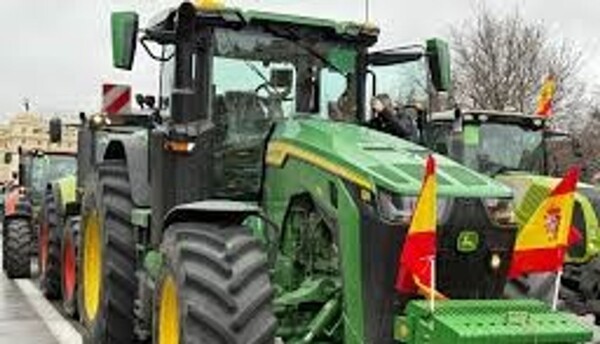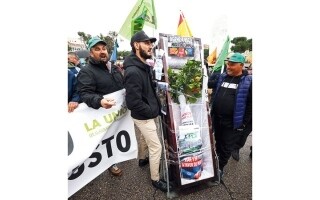
Yesterday, the Spanish capital, Madrid, witnessed a large demonstration organized by farmers who came from different regions on their tractors, a striking scene that reflected the scale of anger and anxiety in the country's agricultural sector. These protests were a rejection of the free trade agreement between the European Union and the South American bloc 'Mercosur', as well as opposition to the increasing economic pressures they face, from rising production and energy costs to what they see as unfair foreign competition. Spanish farmers, along with their counterparts in several European countries, fear that the agreement will open European markets to agricultural products from 'Mercosur' countries like Brazil and Argentina at lower prices, due to differences in production and environmental standards and labor costs. Protesters believe this situation threatens the sustainability of local farms and negatively affects farmers' incomes, especially amid climate challenges, rising fertilizer and feed prices, and supply chain issues. Spain had celebrated on January 9th the EU member states' approval to proceed with a comprehensive trade deal with 'Mercosur', considering it a significant achievement to boost trade and open new opportunities for European companies in South American markets. The agreement received clear support from business groups and industrial sectors that see it as a chance to expand exports and boost economic growth. However, on the other hand, the agreement has sparked widespread discontent among European farmers who feel their interests were not sufficiently taken into account during the negotiations.