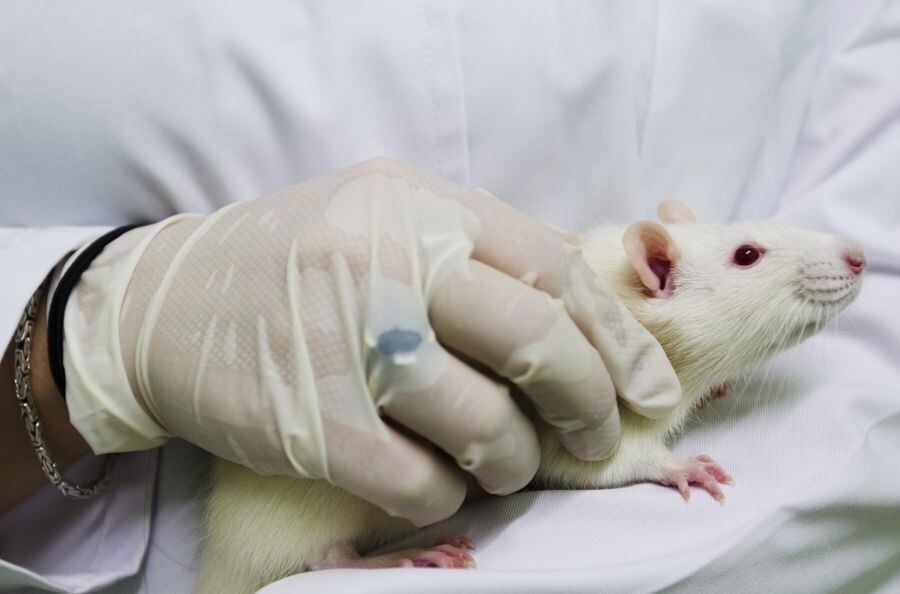
A treatment led by the Bellvitge Biomedical Research Institute (Idibell) in Spain has successfully rejuvenated blood stem cells in animal models, which could have implications for treating age-related diseases in humans. "We have seen that by applying this treatment, the characteristics of old cells are now converted into new ones, thus rejuvenating the hematopoietic system of the animals we studied," explained Idibell researcher and co-lead author of the study, Eva Mejía-Ramírez. This research, published in the journal Nature Aging, also involved scientists from the Barcelona Institute for Global Health (ISGlobal) and the Barcelona Supercomputing Center (BSC-CNS). Aging is one of the main risk factors for numerous diseases, such as cardiovascular conditions or cancer. Although it is a complex phenomenon affecting the whole organism, one of its main drivers is the aging of the hematopoietic system, which is responsible for creating blood cells. These hematopoietic stem cells, found in the bone marrow, are responsible for the vital function of continuously producing all types of blood cells (oxygen carriers, immune cells, and platelets). Over time, these stem cells also age, lose their regenerative capacity, and produce fewer and lower-quality cells, which is linked to immunosenescence (changes that harm the immune system), chronic low-grade inflammation, several chronic diseases, and cancer. In this new study, researchers discovered the rejuvenating potential of the drug Rhosin, an inhibitor of the RhoA protein. When the drug was applied to blood stem cells ex vivo, the researchers observed how they returned to a younger state and the characteristics of cellular aging declined. Old stem cells tend to accumulate mutations and DNA disorganization, which generates mechanical stress on the nucleus and hinders replication. By rejuvenating them, these problems disappear and the functional capacity of hematopoietic cells is improved. By using this drug, the cells become therapeutic targets that could be used to intervene in age-related diseases, such as cancer or cardiovascular conditions, and attempt to make them "not so severe and for people to have a better quality of life for more years," the scientist noted. The application in humans. The next steps are to scale what has been seen in mice to a clinical trial in humans, with the expectation that it can confirm the results. "We are optimistic that this will be the case, because the pathways we have found also work in humans and the characteristics we have seen are common in both mice and humans," affirmed Mejía-Ramírez. For this scientist, such an advance would be positive for a society like Spain's, which is aging due to increasing life expectancy. By 2050, the population over 60 in Western countries will have doubled compared to 2015. This will increase the incidence of chronic diseases such as cancer, dementia, and cardiovascular diseases, overloading health and social systems.