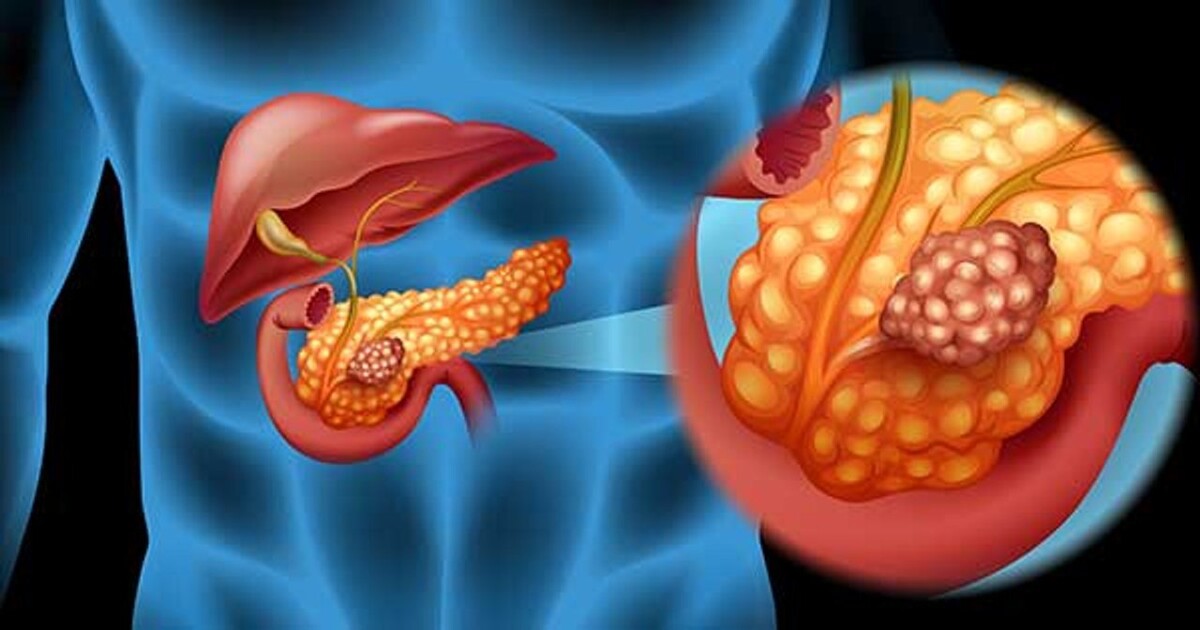
Pancreatic cancer is a type of tumor that originates when the cells of the pancreas proliferate uncontrollably, altering the normal mechanisms of regulation of cell growth. It is rarely detected in initial stages due to the absence of specific symptoms in the early phases. Symptoms usually manifest in advanced stages and it is one of the most aggressive tumors of the digestive tract, while the proximity of the pancreas to vital structures contributes to its biological aggressiveness and the difficulty of establishing an early diagnosis. The good news is that a new study carried out in Spain generates hope after the director of the Experimental Oncology Group of the National Cancer Research Centre (CNIO), responsible for the CRIS Pancreatic Cancer Project and honorary scientific president of CRIS Contra el Cáncer, Mariano Barbacid, presented the results of the research that would be a significant advance in the elimination of pancreatic tumors. According to a report accessed by the Argentine News Agency, the group of scientists determined that a triple therapeutic combination capable of completely eliminating pancreatic tumors in animal models and the strategy is based on the combination of three compounds directed against fundamental mechanisms for tumor cells to grow. The compounds are: one selective against the KRAS oncogene (the main engine of pancreatic cancer) and two others against EGFR and STAT3 - key proteins involved in the signals that lead to these tumors - and the simultaneous inhibition of these three targets proved to be decisive to block tumor resistance mechanisms. The study was recently published in a high-impact international scientific journal and shows that the tumors disappeared completely in different mouse models, including PDX models derived from patients, while after more than 200 days without treatment, the animals continued to be disease-free and without presenting toxicity associated with the therapy.
"For the first time we have achieved a complete, durable and low-toxicity response to pancreatic cancer in experimental models," said Mariano Barbacid.