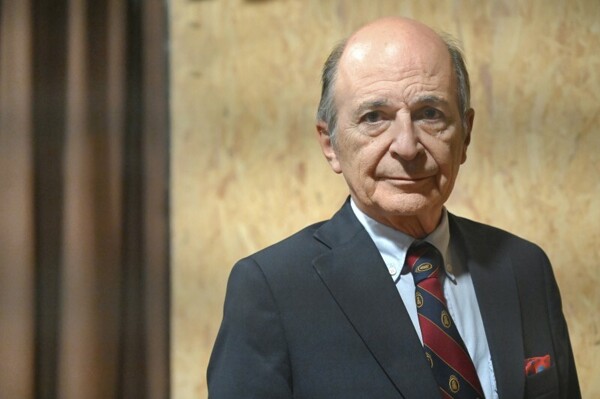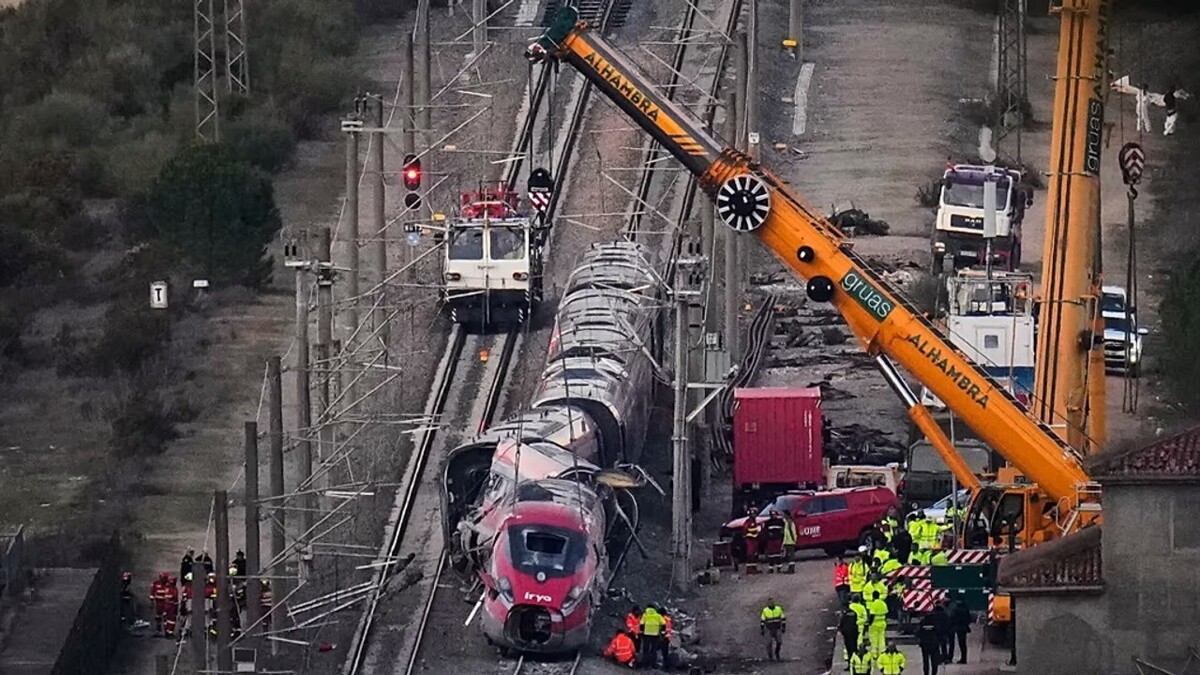
The judicial investigation into the train collision that left 45 fatalities is advancing with the confirmation that the disaster was caused by a structural defect in the track and not by operational errors. Journalist Ramón Pérez Maura, director of opinion for the newspaper El Debate, denounced in an interview with Radio Rivadavia a direct contradiction between the statements of the Ministry of Transport and the actual condition of the materials, pointing out that the accident section had not been updated since 1992, despite promises of a 750 million euro investment. According to the journalist, the stability of trains in Spain is far from international standards, making it even impossible to perform simple tasks like writing during the journey. Pérez Maura linked this management crisis with legal asymmetries, exemplified by the recent dismissal of a complaint against singer Julio Iglesias. The journalist questioned the public exposure of the accused compared to the protection of those who file unfounded complaints, concluding that in both railway safety and the legal sphere, 'justice is not equal for all.' 'We know the track is the same as in 1992,' stated the communicator, who emphasized the seriousness of the fact that vibrations previously reported by users were dismissed by the authorities. The lack of maintenance by ADIF, the state-owned company responsible, was revealed when it emerged that the affected rail had not been inspected in the 58 days prior to the tragedy. According to the Argentine News Agency, Pérez Maura highlighted that given a 35-centimeter section of the track breaking away, the security systems failed miserably by not activating automatic alarms.