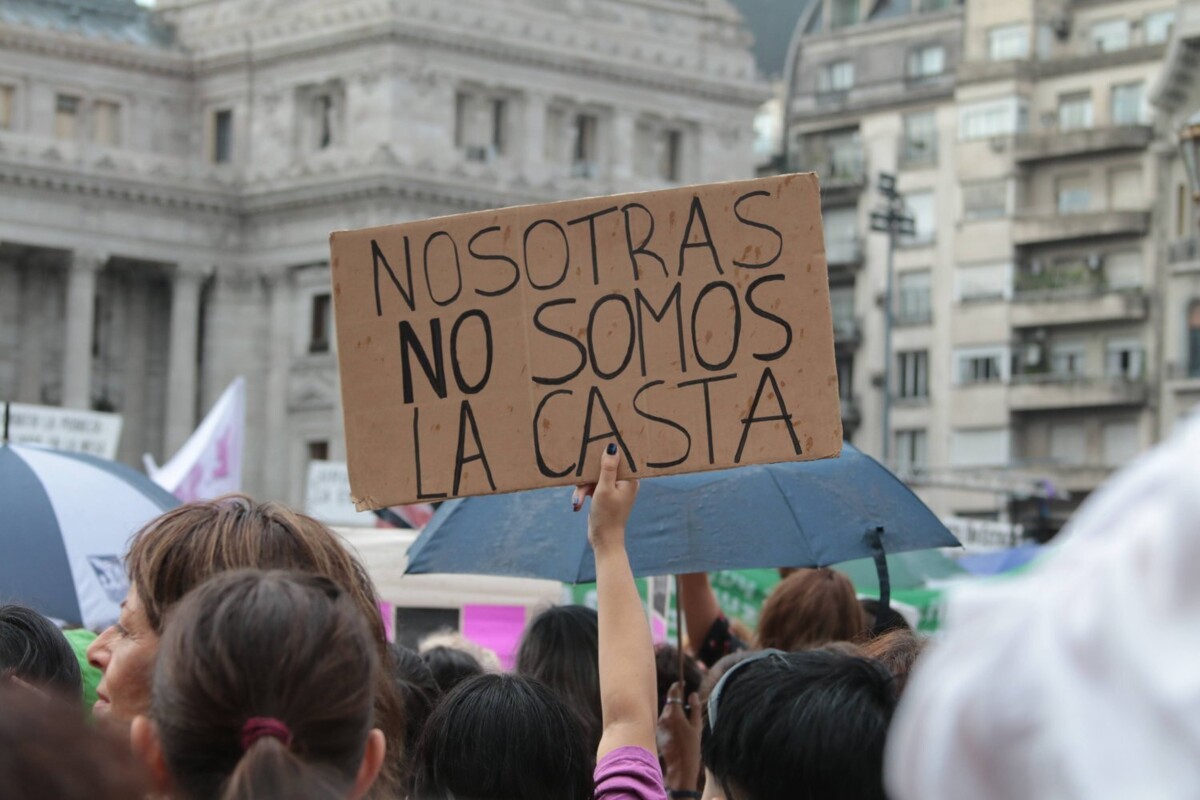
Ahead of International Working Women's Day, transfeminist organizations are calling for mobilization on March 8 and 9 due to the increase in labor exploitation, the overload of care work, and the deepening of inequalities. In a difficult context for women and dissident femininities, various transfeminist organizations and movements have called for participation in the International Women's Strike, which includes lesbians, trans women, bisexuals, intersex, non-binary, and queer workers. Historical demands also included the end of child labor and the right to rest, claims that marked the subsequent development of women's and workers' movements worldwide. From the transfeminist perspective, they emphasized that this year's call is set against a backdrop of deepening labor exploitation and an increase in unpaid work, particularly in care tasks. As in previous years, the strike and mobilizations aim to highlight the contribution of those who sustain productive and reproductive work, as well as to denounce the multiple forms of economic, labor, and social violence faced by women and diverse groups. In this sense, the March 8 International Strike again proposes an agenda that combines historical memory, labor demands, and the fight for equal rights, reaffirming the collective strength of transfeminist movements in the streets. The call also stresses the need to build unity among different sectors to defend conquered rights and against persistent inequalities. Under slogans like 'joyful transfeminist disobedience to resist' and 'unity of all struggles,' the March 8 event is once again projected as a space for massive mobilization and political articulation among feminist, union, and social organizations. These activities, essential for the reproduction of daily life, continue to be invisible and fall predominantly on women and diverse groups. In this framework, the call is to take to the streets with 'the power of transfeminist resistance,' articulating labor, social, and gender struggles. The day aims to make visible the structural inequalities faced by those who sustain life and work under conditions of precariousness and discrimination. The date of March 8 originates from the labor struggles of the early 20th century. It emerged as a day of protest against long working hours, exploitative conditions, and wage inequality that particularly affected working women.