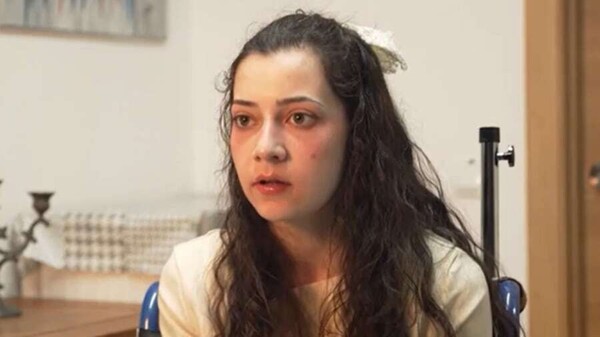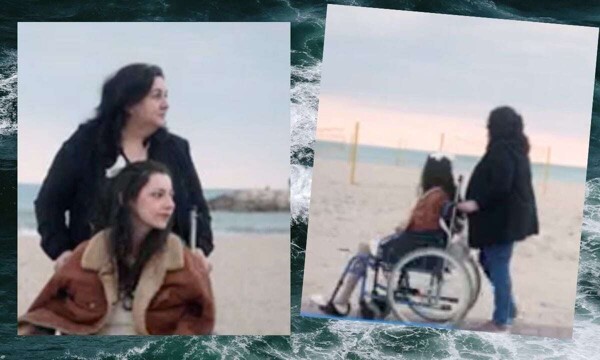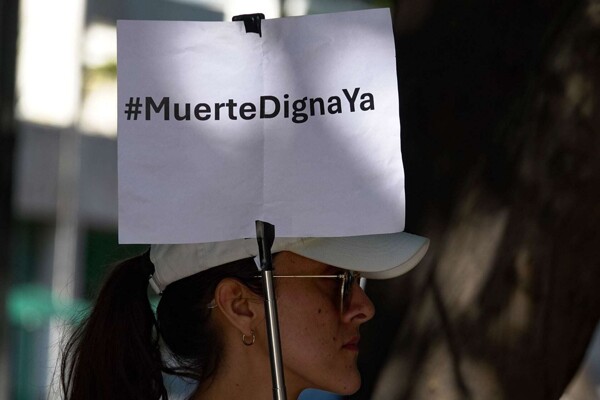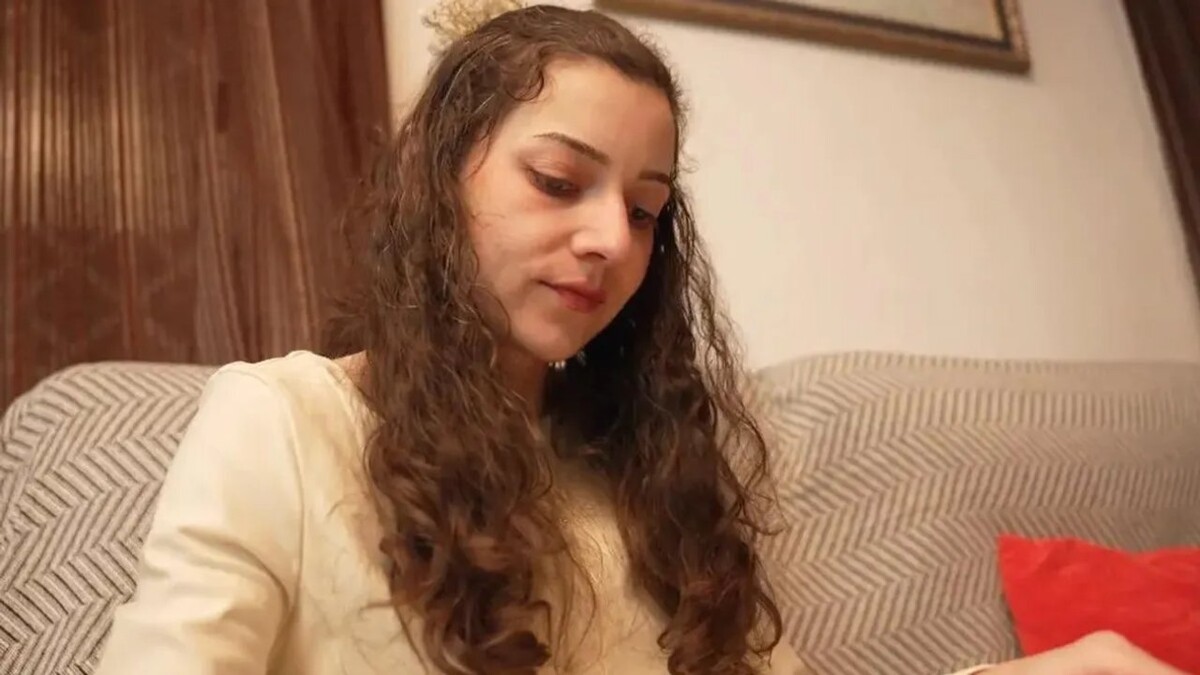
The death of Noelia Castillo Ramos, a 25-year-old woman who accessed euthanasia this Thursday in Barcelona, has not only reignited the debate on the medical procedure but also a central question: why did she decide to end her life. The young Catalan woman had been suffering from irreversible paraplegia since 2022, caused by a complete spinal cord injury after falling from a fifth floor following a multiple sexual assault, according to the Argentine News Agency. Since then, her life has been marked by chronic neuropathic pain, incontinence, and a total loss of mobility from the waist down, a condition she herself described as 'unbearable'. However, the background of her decision was not limited to the physical. In her only television interview, Noelia spoke of a deep and sustained emotional suffering: 'I have always felt alone, even before requesting euthanasia, I already saw my world as very dark,' she expressed, while detailing her lack of desire for daily activities, difficulty sleeping, and a general deterioration in her quality of life. To this scenario was added a personal history marked by episodes of violence, problematic substance use, and multiple suicide attempts since adolescence. Her request was approved by medical bodies, which considered that she met the requirements: a serious and incurable illness, constant and unbearable suffering, and the capacity to decide freely and informatively. However, the process led to an extensive legal battle that lasted almost two years, driven by the opposition of her father. According to her account, the sexual assaults were repeated throughout her life, creating a context that deepened her psychological and emotional suffering. Faced with this situation, in 2024 she decided to formally request euthanasia, protected by current legislation in Spain. The family conflict, added to the judicial delays, deepened the young woman's emotional exhaustion, who had to wait for various favorable rulings, from local instances to European courts, to be able to exercise her right. 'I simply want to go in peace and stop suffering,' Noelia summarized in her testimony, making it clear that her decision was not a momentary impulse, but a sustained process over time, marked by physical pain, emotional anguish, and the search for autonomy over her own body. Finally, this Thursday at the Sant Camil Hospital in Barcelona, she accessed euthanasia through a supervised medical protocol that guaranteed a painless and suffering-free death, thus closing a story that goes beyond the individual and once again raises the debate on the limits between the legal, the medical, and the human.