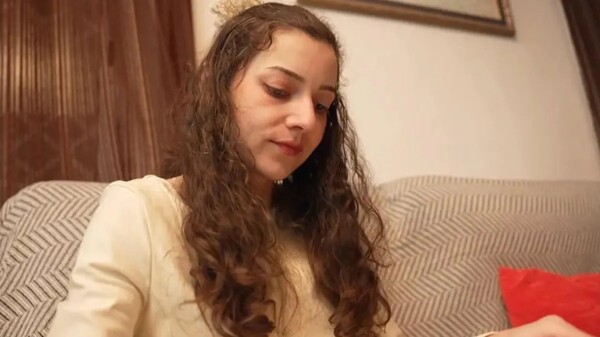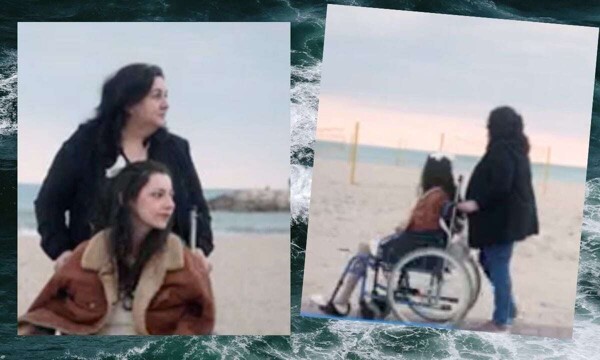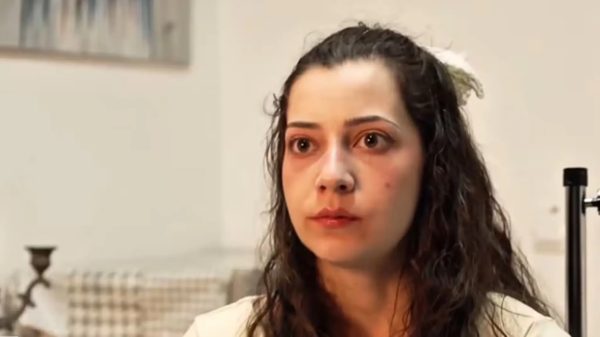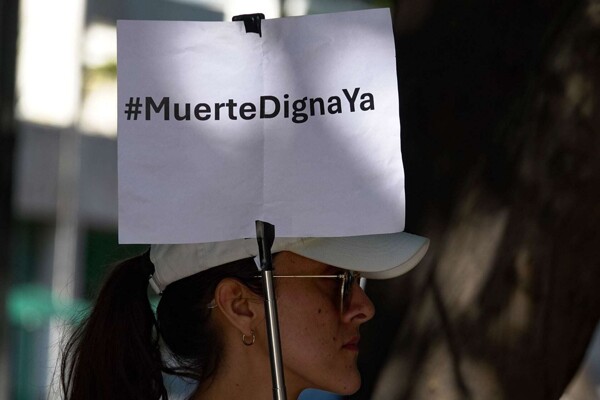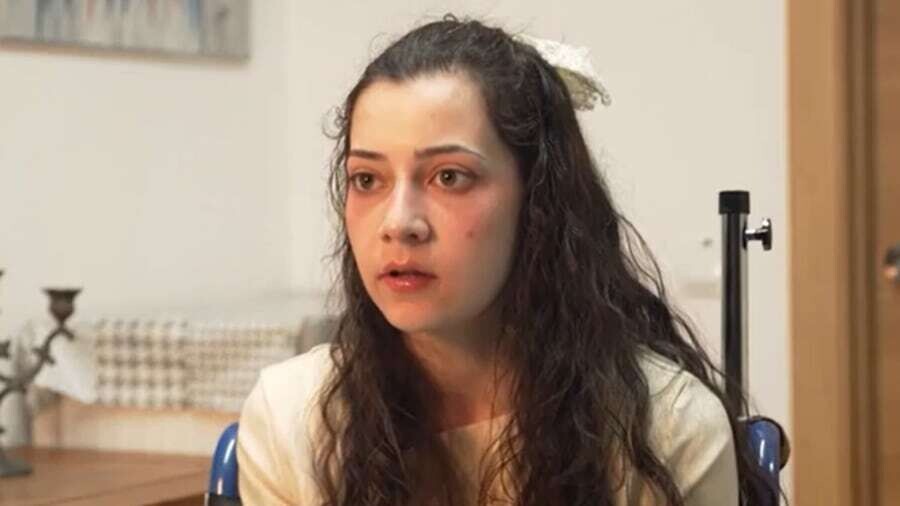
On Thursday afternoon, 25-year-old Spanish woman Noelia Castillo Ramos concluded her long suffering and two-year legal battle by undergoing euthanasia, which she had requested in 2024. This was communicated by health authorities to journalists from various media outlets who gathered at the Hospital Residencia Sant Camil in the Garraf region of Catalonia, where the procedure took place. Her father, Gerónimo Castillo, who had been advised by the ultracatholic association 'Abogados Cristianos', tried to prevent this until the very last moment. For Castillo's will to be fulfilled, the case had to go through five judicial instances, the last being the European Court of Human Rights, all of which ruled in her favor. Despite the consistent decisions from competent authorities, the opposition from her father, advised by an ultracatholic group, forced the measure to be postponed. Ultimately, the European court put an end to the legal battle by ruling that the euthanasia could proceed. Thus, a complicated childhood in a dysfunctional family, which led to a period of state guardianship, several assaults and abuses, a gang rape, and a series of suicide attempts, was left behind. One such attempt left her paraplegic and in terrible pain after she jumped from a fifth-floor window. This long litigation, which prolonged the physical and psychological suffering Noelia endured, made her case a paradigm in Spain and the first to reach the courts since the euthanasia law came into effect in 2021. It has also tested the law's vulnerabilities and a perhaps deeper question: who is authorized to prevent an adult person from ending their own life. The invisible suffering. 'I have achieved it and I hope I can finally rest because I can't take it anymore.' But the case did not end there. 'Abogados Cristianos' took the case to the Superior Court of Justice of Catalonia, which ratified the sentence, giving the green light for euthanasia. Both the Spanish Supreme Court and the Constitutional Court rejected the appeal filed by the father, who only had the European avenue left. However, the European Court of Human Rights rejected on March 10 the precautionary measures presented by 'Abogados Cristianos' to stop the process. 'They knew from the beginning that they would lose and, even so, they have made Noelia go through this long journey of almost two years until reaching the highest European instance. It is outrageous,' denounced EFE the president of the Association for the Right to Die with Dignity of Catalonia, Cristina Vallès. Since the law came into force in 2021, 1,300 people have been able to exercise their right to euthanasia and die accompanied by their families, according to Vallès. 'These are people who suffer so much that they prefer to leave and rest, and their families accompany them because accompanying and letting go is an act of love,' said the association's president. Although her case has become a symbol in Spain for advocates of the right to die with dignity, Noelia made it clear that she did not want to be 'an example for anyone.' 'I just want to go in peace and stop suffering.' If you or someone in your environment is thinking about suicide, seek help. 'I can't take it anymore with this family, I can't take it anymore with the pain, I can't take it anymore with everything that torments me in my head,' the young woman from Barcelona admitted on the 'Y ahora Sonsoles' program on Antena 3, which interviewed her this week. Noelia's story has been controversial in Spain due to her youth and because she is not in a socially perceived terminal condition. Nevertheless, her request for euthanasia received the unanimous scientific approval of the Guarantee and Evaluation Commission of Catalonia, the committee of independent professionals dedicated to evaluating these cases in the region. The law requires that the applicant suffers from a serious and incurable illness or an unbearable chronic condition, and according to the commission of experts, the young woman met the requirements, as she presented 'a non-recoverable clinical situation.' This caused her, according to the committee composed of doctors and jurists, 'a severe dependency, chronic and disabling pain and suffering,' which affected her autonomy and daily activities. Furthermore, all judicial resolutions in her case ruled that Noelia's mental faculties were intact, which is essential for the decision to request euthanasia to be 'free, conscious, and informed,' as the law requires. She herself made her will clear in the television program, her first and only appearance in the media since her case went to court, where she explained that she suffered from profound psychological suffering. 'Before I asked for euthanasia, I saw my world as very dark, I had no goals, no objectives, nothing,' she recounted before the cameras. She explained that she had tried to take her life multiple times. 'In the second psychiatric hospital, I injured myself two or three times and I attempted suicide twice,' she recounted. After suffering several abuses, including a multiple sexual assault by three boys, as she told, on October 4, 2022, she jumped from a fifth-floor window. The fall did not kill her, but it left her paraplegic with serious sequelae. In April 2024, she requested euthanasia from the Guarantee and Evaluation Commission of Catalonia, which unanimously approved it three months later. Her father, however, filed a resource to stop the euthanasia a few days before the scheduled date in August of the same year. Gerónimo Castillo, who has been advised throughout this process by the ultracatholic group 'Abogados Cristianos', alleged that Noelia suffered from mental health problems and that, therefore, she was not in a position to make a fully free decision. His lawyers also requested that the young woman be subjected to psychological treatment before authorizing assisted death and accused the system of not exhausting all possible therapeutic avenues before launching an irreversible process. A court in Catalonia temporarily halted the process, and seven months later, Noelia appeared in court and confirmed her decision to die. 'I want to end with dignity once and for all,' she said before the judge, and recounted that she had been 'coerced' by religious groups that had filled a room in the center where she lived with drawings, crosses, and religious symbols. The judge sided with Noelia. '[I had] two suicide attempts with pills until my mother admitted me to the first psychiatric hospital,' she narrated. 'I am leaving and you are left with all the pain.'