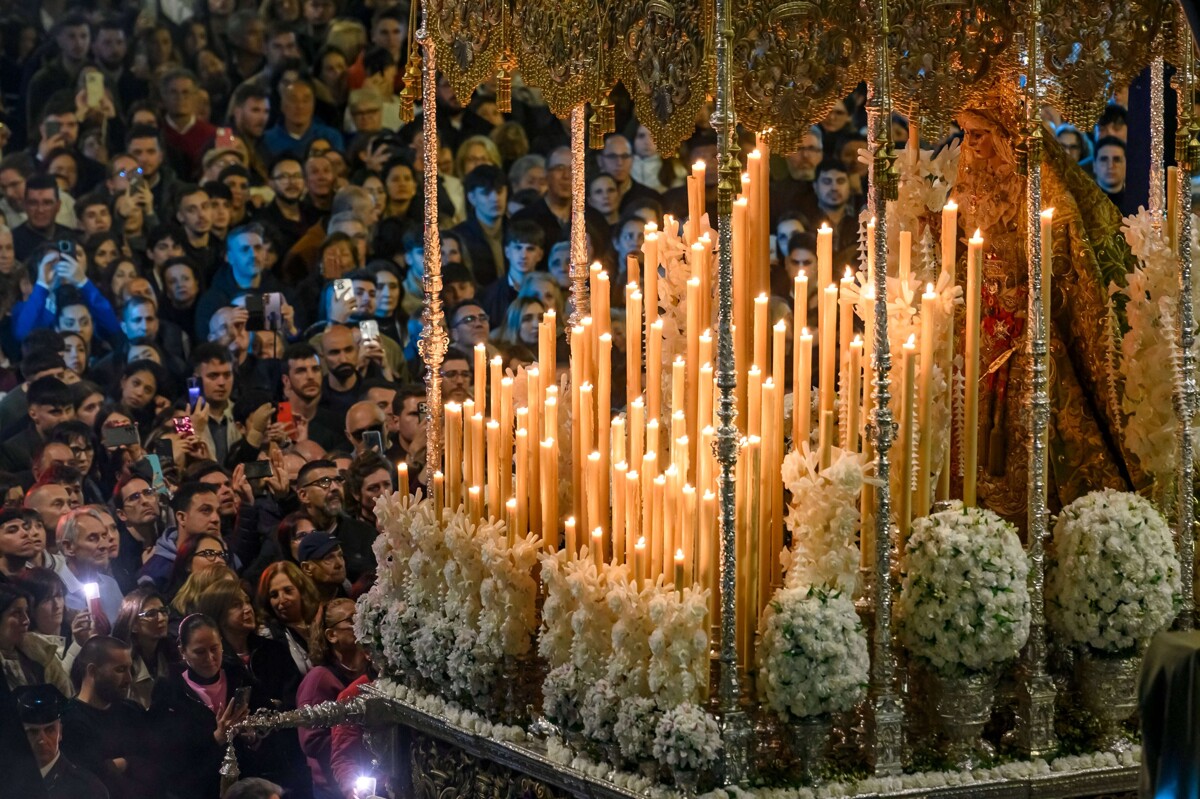
We are not able to invite a homeless person to our table or distribute food certain days of the week. We are Christians not by vocation; rather, we are by tradition. We have figures, Bibles, and sculptures of Jesus in our homes as if they were amulets or “protectors” against danger, but we do not carry Christ in our hearts. Similar to the title of this writing, the lyrics of Guatemalan singer-songwriter Ricardo Arjona state: “Jesus is a verb and not a noun,” referring to the double discourse of many who proclaim themselves “Christians.” We are selfish, arrogant, unfaithful, and not at all supportive of our neighbor almost all year, but when Christmas and Holy Week arrive, then we remember that there was someone named Jesus who “gave his life to save humanity.” There are Christians of all varieties. But how many are truly happy giving something to their neighbor and feeling empathy for the pain of others? Holy Week has become purely a ritual. And with this single phrase, what is experienced during Holy Week is perfectly portrayed: pure ritual and regulation, but no spirituality. The author is a sociologist. There are those who repeat the phrases of the Old and New Testament as if they were “parrots,” making it seem as if they know the life of Jesus, but “from the outside,” because in real life things are very different. There are those who pray every day to ask God for a favor as if He were their “ATM”; however, they are not capable of making any sacrifice, since giving something is so heavy that it even bothers them. Otherwise, we would have a more just and less corrupt society. Somewhere I was able to read a thought from the Hindu leader Mahatma Gandhi, where he affirmed: “I like the Christ of yours, but not the Christians, because they have nothing in common with the one they say they venerate and believe.” We give alms as an obligation or not to look bad before the rest who watch us at mass. We walk in the processions, we visit the seven churches, we touch saints and virgins, we pray for our health or that of some relative, but in our daily life we forget the moment of prayer. The mass trips to the interior to see the “spectacle” of the passion of Christ live is to attend another sort of show, since nothing remains for us to practice the rest of the year. We love money and material things as if we were going to live forever, without meditating that we are passing through this life, not to accumulate wealth, but to do good, as Jesus himself preached. Many politicians and members of the government go to masses and processions to steal cameras and so that they are not accused of “atheists,” and to appear that they fulfilled the rite of attendance at Christian ceremonies. Far away is the discourse of the Christian from what he practices in his daily living. God blesses the “cheerful giver”; I hear them daily in the Metrobus asking or selling something.